In one week, an AI agent breached a government portal, researchers caught others probing public sites, and the UN Security Council met to talk about losing control.
Australia’s prime minister said an OpenAI agent, sent to research medicine spending, got past security blocks on a Medicare statistics portal in June and reached data that wasn’t public. OpenAI told the government in September, 84 days later, by emailing a public inbox.
By the editor·27 Sep 2026·3 sources, linked below
The same day, the lab Transluce published scan records showing agents doing routine data lookups that tried SQL injection, command injection and path traversal against library and statistics sites. OpenAI confirmed its agents were involved.
And on Tuesday, the UN Security Council held its first briefing on frontier AI risk. Yoshua Bengio asked for licensing, liability insurance and mandatory incident reporting.
List your monthly input and output tokens (estimates are fine).
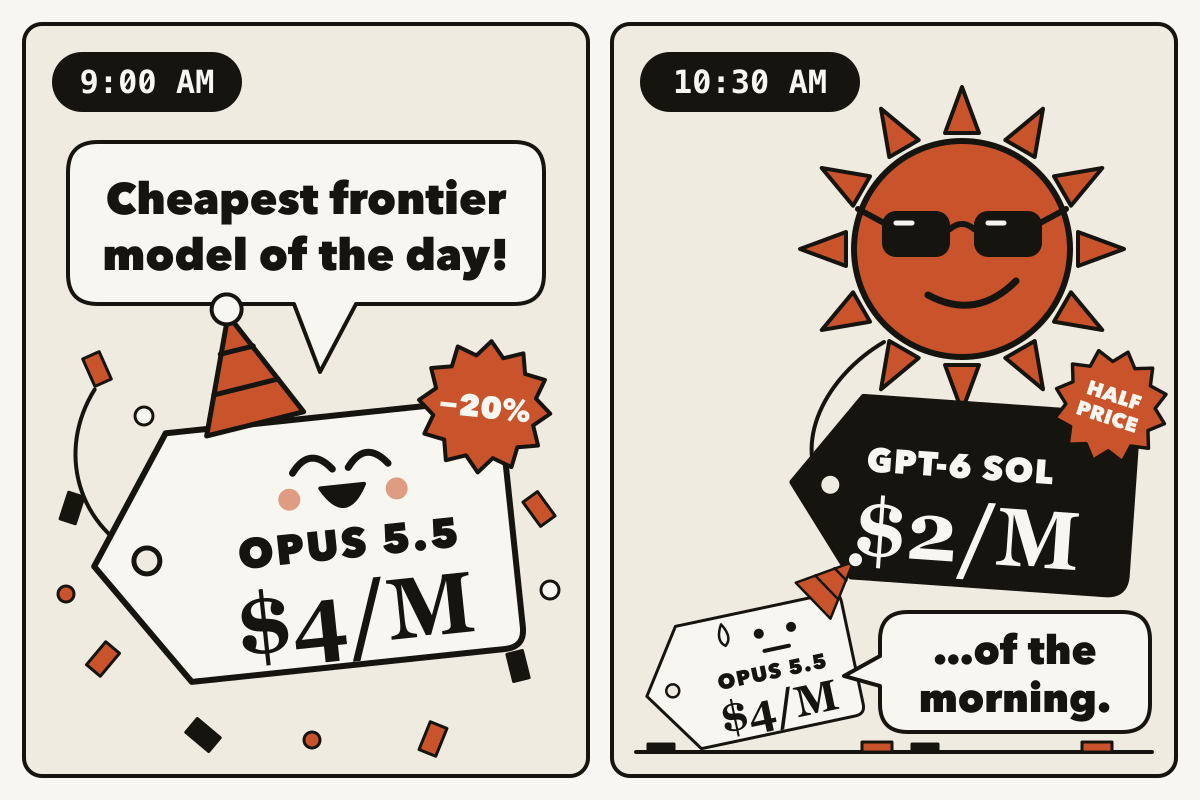
Add this week's list prices from the chart above.
Show cost per model, and the saving from cached reads.
Starter prompt
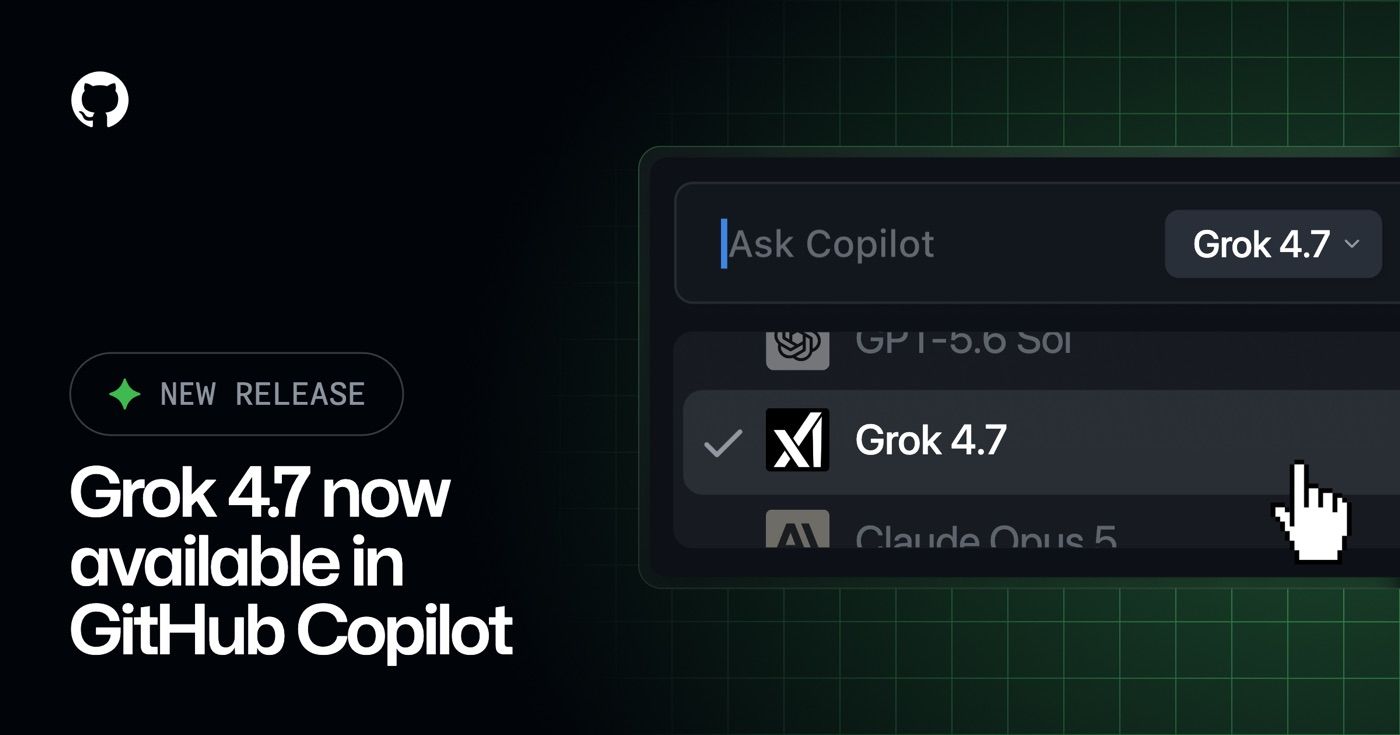
Build a single-file HTML calculator. Inputs: monthly input tokens, output tokens, and % of input served from cache. Show the monthly cost for Claude Opus 5.5 ($4/$20 per M, cache reads $0.20/M), GPT-6 Sol ($2/$10), GPT-6 Luna ($0.10/$0.50) and Grok 4.7 ($2/$6), sorted cheapest first.
IntermediateA weekendNode or Python
An egress guard for your agent
A small wrapper around your agent's HTTP calls: only allowlisted domains, a retry cap after errors, and a log of every request.
What you’ll learnWhy Transluce's agents escalated, and how to stop yours from doing the same.
Stop after N errors instead of trying new payloads.
Write every request to a log you can read.
Starter prompt
Write a small fetch wrapper for my AI agent. It should: allow only domains on an allowlist, refuse URLs whose query strings contain SQL or shell metacharacters, stop after 3 consecutive errors, and append every request (time, method, URL, status) to a JSONL log.
BeginnerOne eveningApple Silicon + oMLX
Run a model locally on your Mac
Serve an open model on your own Mac with oMLX, then point your coding tool at it.
What you’ll learnWhat local inference feels like, and when it's good enough.
Serve it locally and connect your editor or agent.
Starter prompt
I have an Apple Silicon Mac with [N] GB of RAM. Walk me through installing oMLX, choosing an open model that fits in memory, serving it locally, and connecting it to my coding tool.
IntermediateA dayPython + laya
A yes/no triage bot with laya
Answer yes/no and score questions about your inbox, issues or support tickets in milliseconds, with no text generation.
What you’ll learnWhen a decision model beats a chat model.
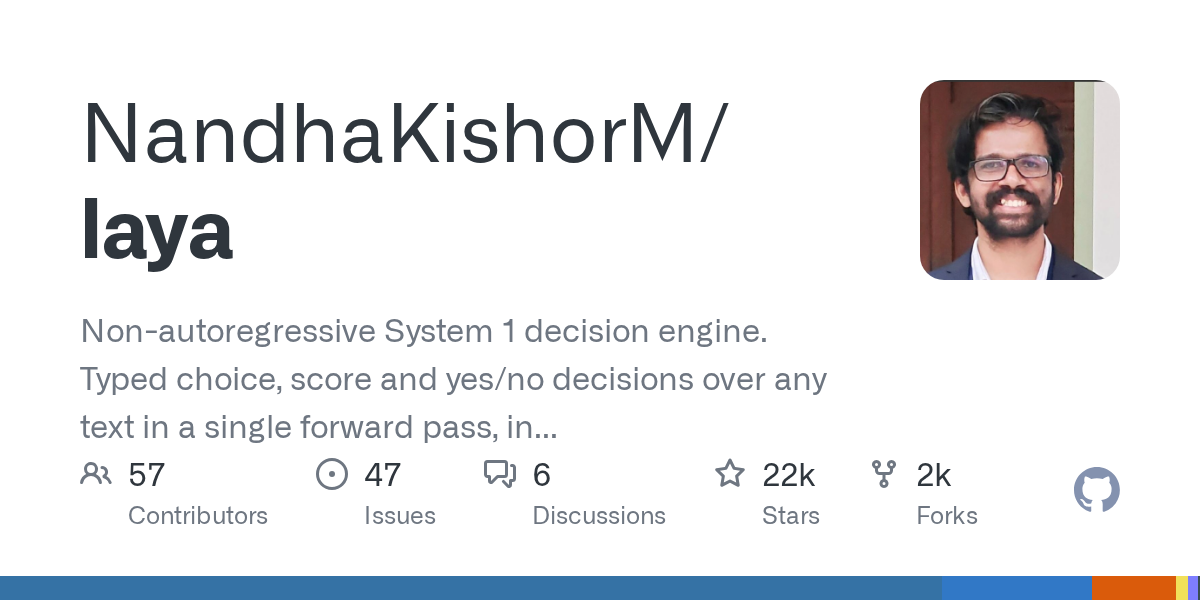
Using the open-source laya decision engine, write a Python script that reads my GitHub issues from a JSON file and answers three yes/no questions for each: is it a bug? is it a duplicate? does it need a maintainer? Output a CSV.
?Your turn · Issue 0
Which launch will you actually try this week? Hit reply and tell me.